 Add Row
  Add
Add 


Why Functional Movement Training Is a Game-Changer for Adults Over 30
If you’re over 30 and searching for a reliable path to better health, functional movement training could be your spark. Unlike flashy fads or “miracle” weight-loss shortcuts, this approach centers your routine on the very actions that underpin your independence: sitting, standing, lifting, carrying, and moving with purpose. According to Jeremy Brodovsky of D3 Athletic Services, functional movement training isn’t about grueling athletic feats but about improving how you perform daily life. For men and women with lives in full motion—balancing busy careers, family, and, sometimes, health recovery—clarity about this method is vital.
“Functional movement” means training the motions you use every single day. Getting out of a chair, stepping out of the car, lifting groceries—these are all real-world squats, pulls, and pushes hiding in plain sight. Yet, as Brodovsky often finds in his work guiding high-achieving adults toward fitness, most people overcomplicate the concept. They mistakenly believe results require “lifting like a powerlifter.” In reality, it’s about refining movement patterns you’re using anyway. As Jeremy explains, when you improve those motions, “you aren’t just moving better, you’re living better.” The result isn’t measured in pounds lifted, but in quality of life gained.

"Everybody does a squat every single day. Getting out of a chair, your car, or bed—all are functional movements we train to improve." — Jeremy Brodovsky, D3 Athletic Services
The Ultimate Misconception: Functional Movement Is Not About Heavy Lifting
Many adults—especially those returning to exercise after a health event or in pursuit of weight loss—fear functional movement training requires Olympic-level strength. As Brodovsky highlights, this is “the biggest misunderstanding.” Instead, the genius of this approach is its relatability: everyday life already provides the basic blueprint for what to train. You’re performing squats when you rise from bed or a chair, lunges when you step up stairs, and core activities when you stabilize while standing or carrying.
For those managing a busy life, perhaps with chronic migraines like Jeremy himself or recovering from surgery, the right question to ask isn’t “How heavy can I lift?”, but “How smoothly and pain-free do I move through life?” By focusing on biomechanically sound, purposeful movement—completed with attention to how your body feels and functions—anyone can build real strength, resilience, and autonomy
Functional movement training is just one piece of the broader wellness puzzle, especially for adults navigating life changes or health challenges. If you're interested in how major shifts in the tech industry can impact personal and community well-being, you might find it insightful to explore the effects of large-scale job changes on health and lifestyle—a topic that highlights the interconnectedness of work, stress, and physical resilience.
How Functional Movement Training Enhances Cardiac Rehabilitation Outcomes
After a cardiac event, rebuilding confidence and capability is as critical as restoring cardiac function itself. Jeremy Brodovsky, having personally navigated post-open-heart surgery rehabilitation, insists that the essence of recovery is blending improved cardiovascular capability with regaining autonomy in movement. In his words, it’s about making daily life both safer and more satisfying.
Functional movement training is particularly tailored for post cardiac rehabilitation because it dovetails perfectly with the movements required for everyday independence. Integrating modest resistance and gradual aerobic stress into these patterns—think careful squats, supported stair climbs, and gentle pushes—progressively strengthens both heart and muscles. For Brodovsky, the dual focus helps individuals move faster from convalescence to vibrant living, putting quality of life at the forefront.
"Post cardiac rehab, improving your cardiac function goes hand-in-hand with moving better in daily life—it’s about quality of life." — Jeremy Brodovsky, D3 Athletic Services
A Personal Journey: Rebuilding Strength and Function After Open Heart Surgery
When an expert not only coaches transformation but has truly lived it, their perspective can’t be matched. Jeremy Brodovsky’s personal journey through open heart surgery and recovery illustrates the heart of functional movement training. As he recounts, rehabilitation isn’t a heroic leap, but a stepwise progression—from hospital hallway walks, to more challenging home movements, to regaining normal function.
Brodovsky’s experience underscores a profound truth: every post-op victory, even a few tentative steps, represents a real investment in returning to independence. For adults over 30, especially those managing health setbacks, functional movement training means retraining the basics—with expert guidance, resilience, and patience. This is the path that leads back to living fully, not just surviving.
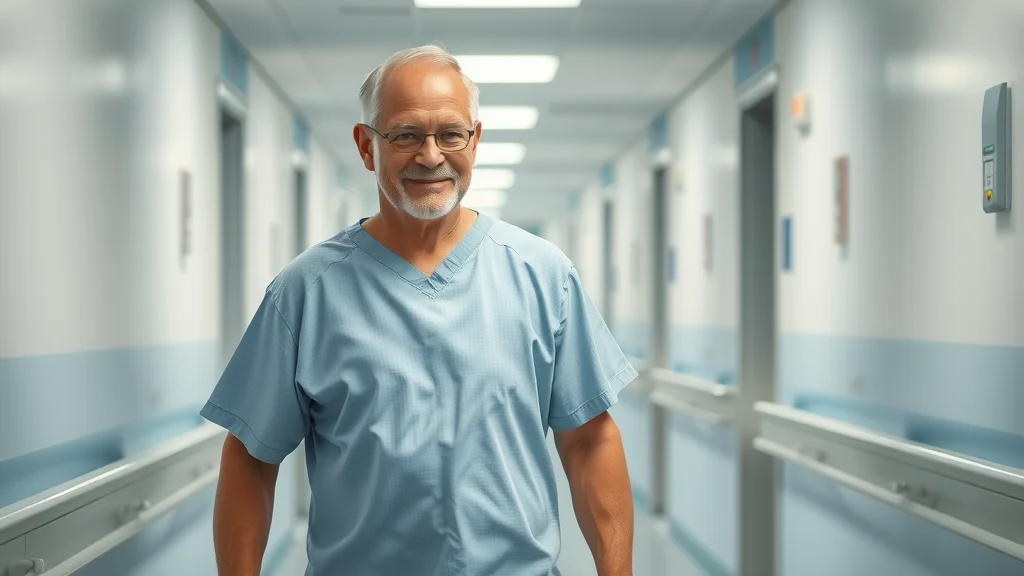
"My rehab began with small walks in the hospital and gradually increased until I regained nearly normal function." — Jeremy Brodovsky, D3 Athletic Services
From Basic Movements to Lasting Independence
How does that journey unfold, day by day? Functional movement training, according to Brodovsky, is rooted in incremental progress
The end goal isn’t about “gym heroics.” Instead, it’s autonomy: the ability to walk to the mailbox, cook a meal, climb stairs, or play with grandchildren without limitation. As Jeremy reminds us, functional movement is what makes these life-affirming moments possible, long after rehab sessions end. This approach is what enables adults, at any fitness level or starting point, to claim back true independence.
Walks initiated immediately post-surgery
Gradual stress increase on cardiac muscles
Focus on functional, everyday movements
Combination of cardiac and strength training

Leveraging Technology: How TrainHeroic Elevates Functional Movement Training
For the modern adult, accountability and progress tracking are essential ingredients for real change. Jeremy Brodovsky recognizes that keeping motivated, especially post-rehab or during a weight loss journey, isn’t just about effort—it’s about having the right support structure in place. That’s why he partners with TrainHeroic, a powerful smartphone app designed to bring custom programming, seamless tracking, and built-in support to your palm.
By leveraging the flexibility of digital programs, TrainHeroic meets clients where they are. Whether you’re rebuilding after surgery or striving for sustainable weight loss, you get programs tailored to your unique needs. Progress is tracked, small wins are celebrated, and trainers like Jeremy provide remote oversight and adjustments to keep you on track, accountable, and engaged—critical facets for men and women over 30 juggling full lives.
Customized Training Programs for Sustainable Weight Loss and Cardiac Health
Not all fitness journeys start from the same place, and certainly not post-cardiac rehab or for those over 30. Brodovsky’s programs on TrainHeroic allow for complete customization—adjusting for mobility, energy levels, and cardiac restrictions. The focus is always on functional movement patterns, ensuring weight loss goals don’t compromise joint or heart health.
TrainHeroic enables sustainable progress, moving beyond cookie-cutter routines to dynamic, progressive exercises that evolve as you get stronger. This is especially important for individuals balancing work, family, and recovery. As Jeremy emphasizes, a tailored functional movement training plan is about “working smarter, not just harder” so that each session moves you closer to freer, more vibrant living.
Seamless Progress Tracking and Accountability Through Mobile Apps
Tracking progress isn’t simply about numbers—it’s about sustaining motivation and gaining insight into your body’s adaptation. Through the app, adults over 30 can benchmark their range of motion, repetitions, heart rate recovery, and strength improvements. According to Brodovsky, real-time tracking fosters accountability: “You can see your journey unfold, day by day.”
The built-in communication features in TrainHeroic mean you’re never on this journey alone. Expert trainers keep you accountable, provide feedback, and help correct course as needed. For high-achieving professionals or parents on tight schedules, this balance of autonomy and expert support maximizes the odds of long-term success.

Common Questions: Functional Movement Training for Adults 30+
What everyday activities benefit from functional movement training? Movements like squatting to get up from a chair, carrying groceries, or climbing stairs.
How does functional movement training aid post cardiac rehab? It improves cardiac muscle endurance while enhancing mobility and strength in daily life.
Is functional movement training suitable for weight loss? Yes, by improving overall movement efficiency and building strength, it supports healthy weight management.
Enhancing Quality of Life: The Real Benefit of Functional Movement Training
Brodovsky’s greatest insight is that at its core, functional movement training isn’t about “fitness for its own sake”—it’s about living better and longer. His message resounds for anyone over 30 facing weight, health, or lifestyle barriers: small, well-designed movements done consistently will transform not just your strength, but your day-to-day capabilities. The difference is felt in the ease of climbing stairs, picking up your child, or carrying groceries—simple moments that become victories.
As Jeremy underscores, “You don’t need to bench press 500 pounds. The magic is in making life’s essential actions easier.” This focus on small, consistent wins leads to heightened independence, reduced injury risk, and a sense of joyful engagement with life—at any age.
"We’re not asking you to lift 500 pounds, but to make everyday actions easier and more enjoyable." — Jeremy Brodovsky, D3 Athletic Services
Small Movements, Big Impact: From Chairs to Walks
The hidden power of functional movement training lies in its simplicity. It’s about intentionally practicing the movements you already make: standing, walking, carrying, and balancing. Over time, this rewiring of daily activity means you’re not just exercising; you’re rehearsing life. According to Brodovsky, the compounding effect of these changes isn’t merely physical—it’s emotional, providing confidence that lasts for years.
Imagine feeling empowered to carry groceries, climb stairs, or get up from the couch with ease, regardless of age or cardiac history. For adults seeking “aha moments” on their health journey, realizing that profound change often comes from humbly mastering the basics is among the most liberating revelations. Every session, every step, gets you a notch closer to true independence.

Improve balance and stability
Reduce injury risk
Increase independence
Boost motivation for continued health
Take the Next Step: Starting Your Functional Movement Training Journey Today
How To Get Started with TrainHeroic and Professional Guidance
Ready to claim a stronger, more functional you? As Jeremy Brodovsky passionately affirms, there’s no barrier too great to begin
Your journey starts today. Download the app, explore custom programs, and connect with a trainer who understands your unique challenges—whether you’re coming back after cardiac rehab, managing weight, or wanting to build stamina for life’s joys. There’s never been a better time to transform “hoping” into “doing.”

Download TrainHeroic - free on Google Play or Apple App Store
Access customized workout plans tailored for your cardiac and weight loss goals
Enjoy built-in accountability and progress tracking to stay motivated
Connect with expert trainers like Jeremy Brodovsky for personalized support
Summary: Why Functional Movement Training Is Essential for Those Over 30
Focus on improving daily movement efficiency, not heavy lifting
Supports cardiac rehabilitation by combining heart and movement improvements
Enhances quality of life through functional strength
Leverages technology for customized, trackable workouts
Take action now! No matter your starting point, investing in functional movement training is the most practical, empowering step you can take for long-term health after 30. As Jeremy Brodovsky of D3 Athletic Services urges: start simple, stay consistent, and don’t hesitate to harness expert guidance and modern technology to guide your fitness journey. Your future self will thank you—one functional rep at a time.
As you continue your journey toward better health and independence, remember that physical well-being is deeply connected to the broader context of your life, including career and community changes. For a deeper understanding of how major industry shifts can influence personal health, resilience, and lifestyle choices, consider reading about the ripple effects of large-scale job transitions in the tech sector. Exploring these insights can help you anticipate challenges, adapt proactively, and reinforce your commitment to holistic wellness—empowering you to thrive, no matter what life brings next.


Write A Comment