Add Row
Add Element
cropper
update
Fitness Center Profits
update
Add Element
  • Home
  • Categories
    • Digital Tactics
    • Brand Growth
    • Client Engagement
    • Tech Trends
    • Operational Tips
    • Success Stories
    • Market Insights
    • Expert Interviews
  • Profiles
Turn Workouts Into Wealth
Marketing & Profit Tools for Fitness Pros
July 06.2025
2 Minutes Read

Garmin Forerunner Comparison: Key Differences Between 570 and 265 Unveiled

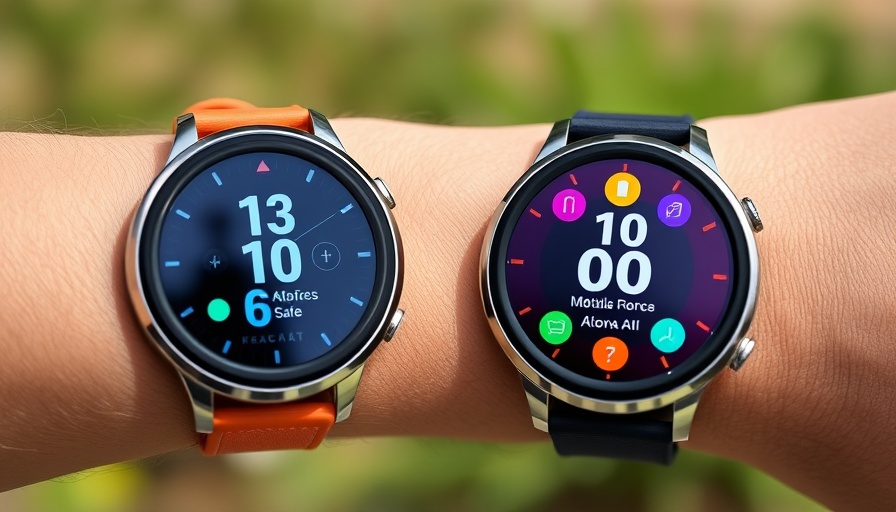
Garmin Forerunner 570 vs. 265 comparison, vibrant smartwatch displays.

Understanding the Key Differences Between Garmin Forerunner Models

In the constantly evolving world of wearable technology, users often find themselves contemplating which device best suits their needs. The Garmin Forerunner 570 and 265 are two popular choices among fitness enthusiasts, particularly runners. But what sets these two models apart? Our comparison dives into their features, performance capabilities, and what users should consider when upgrading.

A Closer Look at Features

The Garmin Forerunner 570 is known for its robust set of features designed for serious runners. It includes advanced metrics such as VO2 max, training status, and even a recovery advisor that helps track your exertion levels. In contrast, the Forerunner 265 offers a more streamlined experience, perfect for users who want essential running metrics without the complexity. Though it lacks some advanced options, it still provides an impressive suite of features, including GPS tracking and heart rate monitoring, making it suitable for casual runners.

Performance and User Experience

User experience is central to the appeal of the Garmin Forerunner series. The Forerunner 570 excels in performance with its highly responsive interface and quick access to metrics, making it favorable for users who train regularly. Meanwhile, the Forerunner 265 prioritizes usability, appealing particularly to beginners due to its simpler navigation and clear display. Both models have received positive feedback for their accurate heart rate monitors, but users have noted that the 570 tends to offer slightly better battery life under heavy use.

The Importance of Knowing Your Needs

Choosing between the Forerunner 570 and 265 boils down to understanding your specific needs. If you are a dedicated runner seeking in-depth analysis and metrics to improve performance, the 570 will be more beneficial. However, if you're just starting your running journey and prefer a more straightforward setup, the 265 could be ideal. Assessing your routine and fitness goals will aid in making the best choice.

Bringing It All Together

As both models continue to gain popularity within their respective demographics, prospective buyers should take advantage of testing the devices where possible. Many retailers offer in-store demonstrations, giving users the opportunity to experience the functionality firsthand. This step can significantly influence your final decision, helping you find the model that truly feels right.

Ultimately, whether you opt for the Forerunner 570 or the 265, both devices signify Garmin's commitment to quality and innovation in fitness tech. Each offers distinct advantages that cater to a range of users, making them leading choices in the marketplace.

Tech Trends

7 Views

0 Comments

Write A Comment

*
*
Related Posts All Posts
01.27.2026

Choosing Optimal Fitness Studio Software in 2026: Key Insights

Update Understanding Fitness Studio Management Software in 2026As the fitness landscape evolves, managing a studio or gym in 2026 demands operational expertise and technological integration. The right fitness studio software is not merely a luxury but a necessity that helps streamline day-to-day operations, enhance member experiences, and ultimately drive profits. From membership management to class scheduling and marketing, robust gym management software has become the backbone of successful fitness businesses.Key Features to ConsiderWhen evaluating fitness studio software, specific features should be prioritized:Member Management: A centralized platform for tracking member profiles, attendance, and history is vital for customization and engagement.Automated Billing: Modern software should offer automated billing and payment processing, minimizing the administrative burden and ensuring cash flow consistency.Class Scheduling: Look for intuitive scheduling tools that allow members to book classes easily, enhancing their overall experience and satisfaction.Data Analytics: A viable gym management system can provide insights into membership trends and class performances, enabling owners to make informed decisions.Integration Capabilities: Ensure the software can smoothly integrate with other tools such as marketing platforms, accounting software, and even wearable technologies.Why Automation Is Crucial for Gym ManagementWith increasing member expectations for convenience, automation has become a game-changer in the fitness industry. By automating mundane tasks—like payment reminders, class bookings, and attendance tracking—staff can refocus their efforts on building relationships and providing exceptional service. This leads to higher retention rates, as members appreciate a seamless experience from the moment they enter the gym to their interactions with fitness trainers.Adjusting to Market TrendsAnother pivotal aspect to consider is the importance of staying ahead of trends in 2026. For instance, the rise of hybrid training models has illustrated the necessity of having a flexible software solution that can offer both in-person and virtual options. Recognizing how members engage with fitness today can direct how software should be leveraged effectively for client satisfaction and retention.Making the Right DecisionChoosing the right fitness management software involves understanding your unique needs and those of your members. Conduct thorough evaluations and request demos to ensure an intuitive user experience for both staff and members. Finally, ensure that your choice supports growth—both in functionality and scalability—in an ever-evolving fitness industry.Your Path ForwardIn conclusion, an investment in quality gym management software is an investment in your fitness business's future. As the industry adapts to newer demands, aligning with technological solutions positioned for 2026 and beyond will not only help in managing logistics effectively but also foster community connection, driving member loyalty and business growth.

01.20.2026

How AI and Automations are Shaping Boutique Fitness Studios

Update Streamlining Boutique Fitness: The Power of AI and Automation In recent years, the boutique fitness industry has seen a significant shift driven by the adaptation of AI and automation technologies. With revenue projections soaring past $46 billion by 2034, the implications for gym owners and customers alike are profound. This article explores how AI and automation are revolutionizing operations in boutique fitness studios, enhancing customer engagement, and setting a new standard for personalized experiences. 1. What AI and Automation Bring to the Fitness Arena As AI technology morphs from a futuristic concept to a core business strategy, fitness studios are reaping multiple benefits. Automation is primarily responsible for freeing up time, allowing studio owners to focus on member engagement rather than administrative duties. For instance, automating sales pipelines not only speeds up the customer onboarding process but also personalizes outreach, significantly enhancing customer engagement rates. 2. Personalized Experiences: Setting New Expectations Today’s clients expect a tailored experience that resonates with their individual fitness journeys. This demand is met through AI applications that create customized workout plans based on client performance data and recovery metrics. Automated messaging systems can suggest classes or send reminders, ensuring members always feel connected to their fitness goals. The premise is clear: personalized experiences lead to higher satisfaction and retention. 3. Real Data for Real Results: The Necessity of Data Automation The necessity of collecting and analyzing data across multiple gym locations cannot be overstated. Automated data comparison allows studios to track membership growth trends, attendance patterns, and revenue performance effortlessly. Just as in the case of KX Pilates, using precise data-driven insights is key to making informed business decisions that resonate with members. 4. Counteracting Risks: The Automation of Financial Processes Financial management can overwhelm even the most dedicated gym owners. Automation in bookkeeping not only minimizes human error but also streamlines membership payments and enhances overall financial transparency. Security features integrated into payment systems build customer confidence, allowing them to focus on their fitness journey rather than transactional concerns. 5. The Future of Boutique Fitness: AI’s Role in Sustainable Growth As we look ahead, it’s evident that the integration of AI will continue to shape the dynamics of boutique fitness studios. Techniques such as predictive analytics will not only enhance marketing efforts but also assist in member retention strategies. As noted in the Shift Fitness report, addressing potential churn before it occurs is crucial for maximizing profitability. Conclusion: Get Ahead with AI and Automation Embracing AI and automation in boutique fitness settings is not just a trend—it's a game-changer. With the tools available today, studios can transition from traditional operational methods to cutting-edge, automated solutions that engage clients effectively. By investing in these technologies now, studio owners position themselves at the forefront of the fitness industry’s evolution.

01.12.2026

Discover How AI is Transforming Fitness Studios' Member Experiences

Update Unlocking the Biggest Giveaway: AI in Fitness Studios Is the hype around a supposed "biggest AI giveaway" truly the game-changer for fitness studios? In a world increasingly influenced by artificial intelligence, fitness centers are beginning to adopt cutting-edge technologies that promise to enhance member experiences and streamline operations. But what does this all mean for the future of boutique fitness studios, and why should you pay attention? AI: The New Training Partner Imagine stepping into your favorite fitness studio, where the workout is tailored just for you—thanks to AI. No more one-size-fits-all classes. Instead, AI analyzes your previous workouts, performance metrics, and personal goals to suggest a routine that evolves with you. From personalized training programs to real-time feedback adjustments, AI facilitates a workout that is not only effective but also engaging. This shift is not just theoretical; fitness facilities worldwide are leveraging platforms like Virtuagym and the AI Coach functionalities to keep clients motivated and actively engaged. Enhancing Member Engagement Through Technology In the recent surge of AI adoption within fitness, the benefits are clear: improved member retention and satisfaction. Studios utilizing AI can easily monitor client engagement, tailor marketing campaigns, and optimize class schedules based on real-time data analytics. For example, products like EGYM’s AI-driven fitness programs analyze user data to personalize workouts across various gym equipment, thereby enhancing the overall member experience. This not only assures studio owners of a competitive edge but helps cultivate a community of loyal members. Revolutionizing Group Classes with AI Group fitness classes are evolving beyond simple routines. Personalization is becoming key, with AI ensuring that individuals within group classes receive feedback based on their unique performances. Technologies enable trainers to analyze movements and adjust workouts instantly, helping participants work at their optimal capacity without compromising on communal energy. An intuitive system that listens and adjusts like a personal trainer could redefine the group fitness landscape. The Future of AI in the Fitness Industry Looking forward, the integration of AI in fitness is set to further revolutionize how studios operate. Following trends, we see emerging technologies like interactive wearables that gather and analyze health data, alongside sophisticated nutrition plans that evolve alongside fitness routines. Studios that embrace such innovations are positioning themselves to stay relevant and cater to a future more focused on personalized health and wellness strategies. Final Thoughts As AI makes its mark on fitness studios, the overarching theme remains clear: personalized experiences are the future. If fitness studios want to thrive in this competitive landscape, they must embrace AI-driven solutions that cater to the individual needs of their members. However, the personal touch of trainers remains invaluable, making it imperative for fitness studios to find a seamless balance between technology and human connection in guiding members on their fitness journeys.

Terms of Service

Privacy Policy

Core Modal Title

Sorry, no results found

You Might Find These Articles Interesting

T
Please Check Your Email
We Will Be Following Up Shortly
*
*
*